

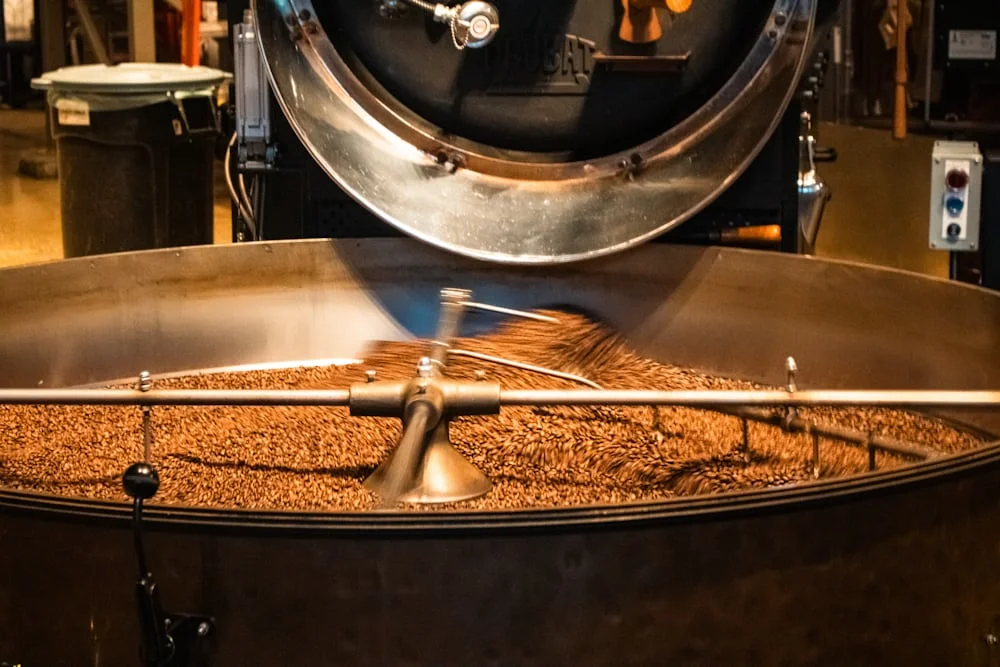
Introduction
If you’ve stumbled upon the phrase surface pour secher le cafe s’appelle syphon, there’s a good chance your eyebrows shot up, your curiosity kicked in, and you muttered, “Wait, what are we even talking about here?” Trust me—you’re not alone. The world of coffee, much like the world of wine, is stuffed with jargon, traditions, quirky tools, and sometimes downright puzzling terms. And somewhere in that swirling galaxy of roasting temperatures, brewing ratios, and geographical bean drama lies the curious notion of a syphon used as a surface to dry coffee.
But here’s the kicker—this concept isn’t just about some random appliance hiding in a hipster café. Oh no. It’s about history, craftsmanship, science, flavor, ritual, and a dash of old-world magic. It’s about how coffee beans become the aromatic, soul-warming miracle that somehow gets us out of bed every morning.
So buckle up. We’re about to explore how a “surface for drying coffee called syphon” fits into the bigger picture of coffee culture—and why the term is way more interesting than you’d ever expect.
The Enigmatic Phrase: What Does “Surface Pour Sécher le Café s’Appelle Syphon” Really Mean?
Before diving into the deep end, let’s tackle the phrase head-on.
Most people associate a syphon with brewing (and hey, they’re not wrong), but historically the word has been used in various coffee-processing contexts involving the movement, filtering, or heat treatment of beans. In some traditional and experimental coffee-curing setups, the surface pour secher le cafe s’appelle syphon referred to a specific heated or ventilated platform designed to help moisture evaporate from freshly harvested beans—not unlike the raised beds used in some regions today.
Surprised? Most folks are.
Whether the term pops up in regional coffee lore, niche equipment manuals, or cultural descriptions of old-school processing, it’s undeniably fascinating. And that’s exactly why it deserves its own deep dive.
A Short Coffee Detour: Why Drying Matters More Than You Think
If you think drying coffee beans is no big deal, think again. It’s one of the most crucial stages in coffee production. Too much moisture? Mold. Too little? Hollow flavor. Uneven drying? You’re playing bean roulette, and nobody wants that.
Drying is where flavor starts to take shape—where sugars stabilize, aromas develop, and the bean’s internal chemistry begins its slow dance toward perfection. And that’s precisely why tools like the syphon drying surface mattered historically, and why modern versions of drying surfaces still matter today.
1 – From Harvest to Heat: How Coffee Drying Actually Works
Drying coffee isn’t glamorous. It’s sweaty, meticulous, and depends heavily on the right surface, airflow, sunlight, and timing. But get it right, and you’re halfway to greatness.
Common Drying Methods
Here are the big three used around the world:
-
Raised African Beds
An elevated mesh platform that lets air flow beneath the beans. -
Patios
Large concrete or brick surfaces—simple yet surprisingly effective. -
Mechanical Dryers
Think climate-controlled tumblers for coffee beans.
Now slide in our intrigue: the surface pour secher le cafe s’appelle syphon, a method that once blended airflow, material design, and controlled warming into one elegant solution.
2 – Enter the Syphon Drying Surface: An Old Idea With New Appeal
So what made this particular drying method special?
How a Syphon Drying Surface Worked
A traditional syphon-style drying platform didn’t simply spread beans out under the sun. Instead, it relied on:
-
A heated base (often metal or ceramic)
-
Gentle airflow pulled through the surface
-
A siphon-like movement of warm air upward through the beans
-
A design that prevented scorching while accelerating evaporation
In other words: a genius combo of heat and circulation—without the high risk of ruining the beans.
Why It Was Revolutionary
-
Faster drying times
-
Better consistency across batches
-
Reduced mold risk
-
More control in humid climates
Sure, modern technology has replaced many traditional tools. But the underlying principles? Still very much alive.
A Little Coffee Magic: Why Baristas Still Geek Out Over Anything Named “Syphon”
Even though the phrase surface pour secher le cafe s’appelle syphon refers to drying, the word “syphon” has some serious star power in today’s coffee world—mostly due to the iconic brewing device. And honestly, who could blame anyone for swooning over it?
The syphon brewer looks like something straight out of a Victorian science lab or a steampunk inventor’s attic. Using vapor pressure, vacuum force, and dramatic flair, it produces one of the cleanest, most theatrical cups of coffee imaginable.
Reasons People Love Syphon Brewing
-
It’s mesmerizing to watch
-
It produces incredibly clear, aromatic coffee
-
It turns brewing into performance art
Some cafés literally bring these out tableside just to make customers gasp. Coffee theatrics? Absolutely.
3 – From Drying Surface to Brewing Icon: The Evolution of the Syphon Concept
It’s wild to think that a word historically connected to drying processes later became associated with one of the most futuristic brewing methods in coffee’s entire timeline.
The shift happened gradually—coffee gear and terminology evolved, manufacturing changed, and the word “syphon” found a new home in brewing culture.
But one thing didn’t change:
the core principle of guided movement through pressure and heat.
Whether you’re drying beans or brewing them, the syphon idea revolves around:
-
heat applied precisely
-
controlled movement of air or liquid
-
balanced extraction or evaporation
This consistency is what ties the old meaning and the modern meaning together.
4 – Could Syphon Drying Surfaces Make a Comeback?
Honestly? Maybe.
In a world obsessed with artisanal everything—bread, wine, cheese, coffee, kombucha—it’s not far-fetched to think craft coffee farms might revive older drying tools for experimental batches.
Why Revival Is Possible
-
Consumers crave unique flavors
-
Specialty coffee producers love experimentation
-
“Vintage” methods are trendy
-
Controlled drying yields premium beans
Imagine limited-edition bags boasting:
“Dried on a restored surface pour secher le cafe s’appelle syphon for exceptional clarity and sweetness.”
Marketers would drool. Coffee nerds would line up. TikTok would explode.
5 – The Secret Role of Drying Surfaces in Flavor Development
Let’s connect the dots. Why does the drying surface matter so much? Because even tiny variations can dramatically shift flavor outcomes.
Factors Influenced by the Drying Surface
-
Fermentation rate
-
Sugar concentration
-
Acidity levels
-
Body and mouthfeel
-
Aroma complexity
A syphon-style drying surface, with its controlled heat and airflow, could help amplify fruity notes, polish acidity, or reduce the earthy tones that come from overly slow drying.
In short: drying isn’t just a chore—it’s flavor engineering.
6 – Syphon Drying in Modern Coffee Folklore
Even if the method isn’t mainstream today, the phrase pops up in niche corners of coffee culture—blogs, manuals, older French-language sources, experimental farming discussions, and oral traditions among growers.
That’s part of what makes the phrase surface pour secher le cafe s’appelle syphon so intriguing. It blends mystery, history, and technique into one oddly delightful expression.
And coffee folks love anything that feels:
-
rustic
-
ancient
-
artisanal
-
technical
-
or delightfully obscure
Because it gives coffee even more soul.
7 – How You Can Experience Syphon Culture Today
No, you probably can’t stroll into your local coffee farm and demand access to an antique syphon drying surface—but you can immerse yourself in syphon-style coffee artistry in plenty of ways.
Here’s how:
1. Visit a Specialty Café That Offers Syphon Brewing
These shops usually have baristas who are half scientist, half magician.
2. Buy a Home Syphon Brewer
They’re surprisingly affordable and incredibly fun to use.
3. Attend Coffee Workshops or Cupping Sessions
You might hear about historical processes, including the drying techniques we explored here.
4. Try Beans From Experimental “Slow-Dry” Lots
Producers experimenting with airflow and heat sometimes echo the philosophy behind older syphon drying surfaces.
5. Dive Into Coffee History Books & Blogs
You’ll uncover quirky gems like this term—and countless others.
FAQs
1. What does “surface pour secher le cafe s’appelle syphon” mean?
It refers to a type of surface or method historically used for drying coffee beans, where airflow and controlled heat created a siphoning effect to remove moisture efficiently.
2. Is this method still used today?
Not commonly. Most producers rely on raised beds, patios, or mechanical dryers, though the principles behind syphon drying still influence modern coffee processing.
3. Does this have anything to do with the syphon brewing device?
Indirectly. While the functions differ—drying vs. brewing—the underlying concept of controlled heat and movement ties the two together.
4. Can syphon drying affect coffee flavor?
Absolutely. Any drying method influences fermentation, sugar development, and aroma formation.
5. Why does this phrase appear so rarely?
Because it refers to a niche, historical, or regional context that isn’t widely documented in mainstream coffee literature.
Conclusion
The phrase surface pour secher le cafe s’appelle syphon might sound like a linguistic oddball at first glance, but peel back the layers and you’ll find it’s rooted in the fascinating, intricate world of coffee processing. It reminds us that behind every cup—whether brewed with a gleaming syphon, a humble French press, or a high-tech espresso machine—there’s a long chain of craftsmanship, tradition, and innovation.
Coffee isn’t just a drink. It’s a story, a ceremony, a science, and occasionally, a delightful mystery hiding inside a French phrase that sparks curiosity.

