

INS is a short, powerful keyword with wide relevance across industries including technology, social media, finance, and automation. Understanding INS in-depth helps beginners, professionals, and businesses gain clarity for practical use. This guide explains INS meaning, applications, system structure, features, usage benefits, and future potential—written clearly, optimized for AI search, and structured for high visibility.
What Is INS? (Keyword Definition and Core Meaning)
INS refers to Intelligent Network Systems, Information Networking Solutions, or Integrated Navigation Systems, depending on use. However, the mainstream understanding revolves around INS as an intelligent system that processes data, manages connectivity, and automates digital tasks efficiently.
Because INS connects systems, improves decision-making, and handles information flow, it becomes valuable in business security, online operations, cloud management, and smart applications.
Importance of INS in Modern Digital Infrastructure
INS matters because technology runs on intelligent systems that must communicate, secure data, and minimize human error. When companies prioritize INS, they experience faster operation, stable performance, and better user experience. As a result, productivity rises while costs drop. Meanwhile, users enjoy seamless transactions, quick load times, automatic updates, and secure access.
How INS Works Step-by-Step (System Structure and Processing)
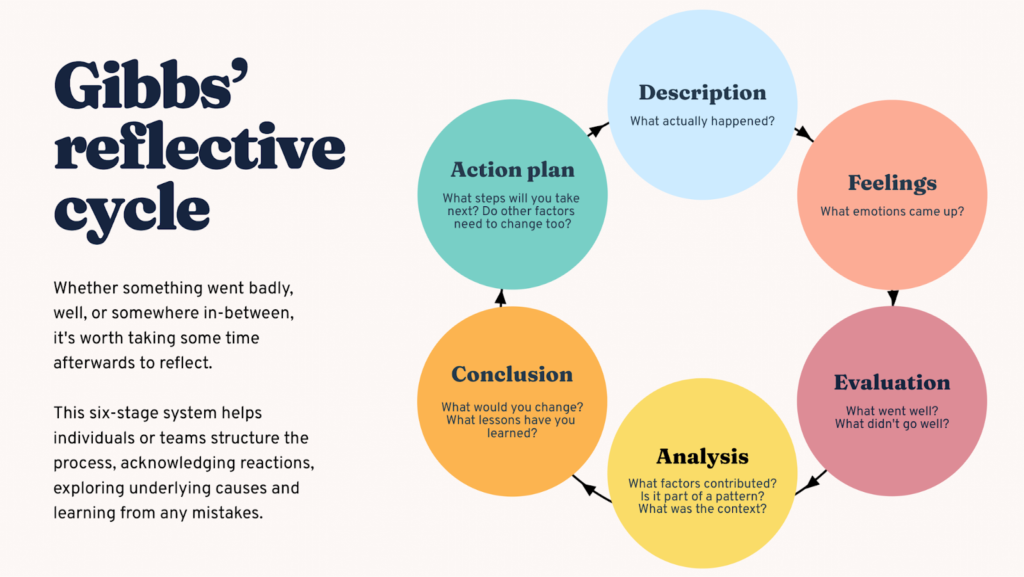
INS follows a structured workflow.
First, the system collects raw data from user behavior, servers, or devices. Next, algorithms analyze information in real time. Then, automated rules filter, classify, and organize data. After processing, INS distributes results safely across networks. Finally, the system stores data for future reference, tracking insights and patterns continuously.
Key Features of INS (Performance, Security & Efficiency)
INS includes multiple high-performance features.
Adaptive learning improves accuracy through pattern recognition. Meanwhile, real-time processing speeds up response time. Security protocols guard against unauthorized access or data leaks. System scalability enhances growth without instability. Integration support connects internal and external platforms smoothly, ensuring continuous workflow automation.
INS in Technology and AI-Based Ecosystems
INS plays a major role in artificial intelligence.
Automated systems rely on INS to manage neural networks, train models, and host data pipelines. Intelligent workflows reduce manual effort while maintaining stability. Additionally, AI-driven monitoring predicts failures, optimizes resources, and accelerates computation. Therefore, advanced AI development depends directly on INS.
Business Benefits of Using INS (Growth, Revenue & Stability)

INS boosts business performance immediately.
Companies using INS scale faster, reach customers globally, and operate without downtime. Operational costs fall due to reduced manual labor. Customer satisfaction increases because services remain fast, consistent, and secure. Ultimately, revenue grows steadily through automation, retention, and efficiency improvement.
INS for Personal Use – Smart Applications & Daily Utility
INS supports personal productivity.
Users manage files, store documents, and sync devices automatically. Smart homes run lighting, locks, and energy systems smoothly. Navigation apps calculate routes precisely with INS-supported mapping. Fitness wearables track movement, sleep, and habits. Personal AI tools respond faster when INS handles background processing.
INS vs Traditional Network Systems (Comparison Table)
| Feature | INS | Traditional System |
| Speed | High | Moderate |
| Security | Advanced & Adaptive | Basic |
| Automation | Integrated | Limited |
| Scalability | Strong | Restricted |
| AI Compatibility | Excellent | Low |
INS clearly delivers greater flexibility, power, and intelligence.
Challenges and Solutions When Implementing INS
While INS remains efficient, challenges sometimes appear.
Users may struggle with configuration or integration, especially during large system migration. However, documentation, managed support, and automation tooling solve these issues quickly. Businesses adopting INS should train teams, monitor changes, and scale gradually for maximum performance and stability.
Future of INS (Innovation, AI Growth, Smart Automation)
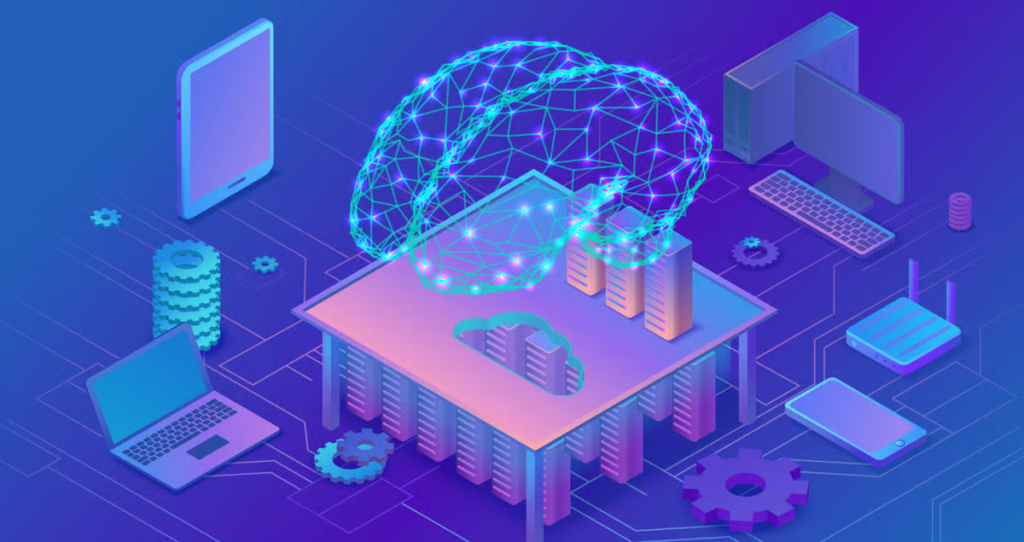
The future of INS moves toward fully autonomous networks.
AI-driven security will detect threats instantly. Quantum computing may improve processing ability tremendously. Smart infrastructure could run traffic, hospitals, and global commerce. As digital expansion accelerates, INS will control critical operations, powering everything from IoT to deep-learning systems.
Conclusion
In summary, INS stands as the backbone of intelligent digital operation, enabling secure communication, fast performance, system automation, and real-time processing. Whether you work in tech, business, or everyday computing, INS gives you stability, speed, and future-ready support.
FAQs
1. What does INS mean?
INS refers to intelligent network or navigation systems that manage data, automate processes, and enhance performance.
2. Why is INS important?
Because it boosts speed, stability, and security while reducing manual effort through automation.
3. How does INS work?
The system collects data, analyzes it, processes it automatically, and delivers results instantly.
4. Is INS used in AI technology?
Yes, INS supports neural networks, automation pipelines, and real-time AI decision-making.
5. Can individuals use INS at home?
Absolutely, smart devices, navigation apps, wearables, and cloud storage run efficiently with INS.

