

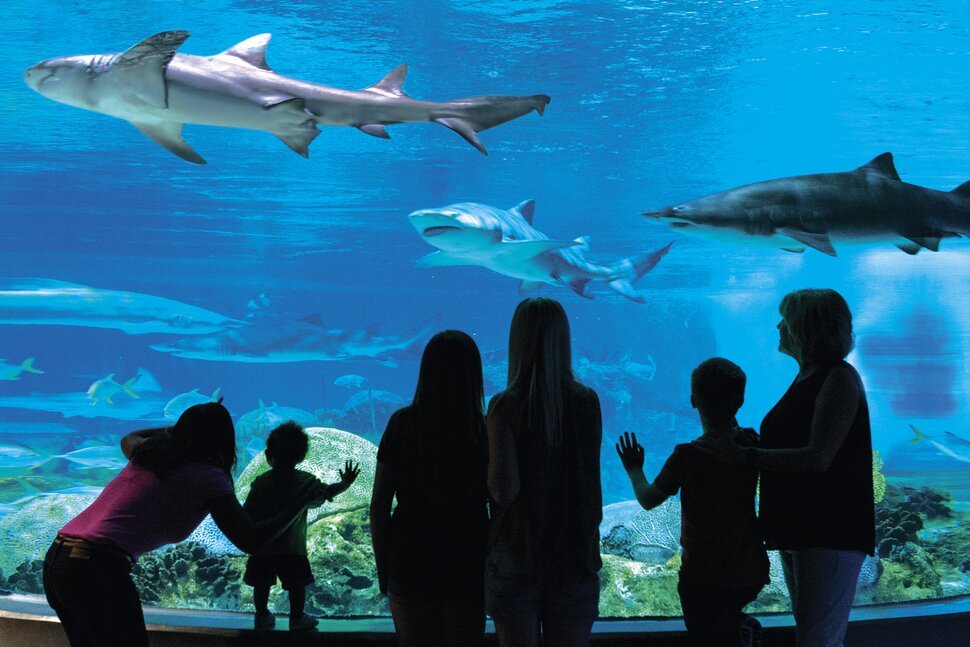
Searching for the best aquariums in the US means you’re ready for wonder, discovery, and immersion. The United States is home to some of the world’s most advanced and inspiring marine science centers. These aquariums aren’t just tourist attractions. They are conservation hubs, research institutions, rescue sanctuaries, educational landmarks, and unforgettable adventure spaces for families, travelers, ocean lovers, photographers, and lifelong learners.
From massive underwater tunnels to coral reef ecosystems, sea otter nurseries, shark nurseries, tropical lagoons, coastal replications, deep ocean habitats, hands-on touch pools, Penguins colonies, coastal wildlife sanctuaries, jellyfish cathedrals, and amphibian biomes, US aquariums set the benchmark for marine life experiences.
In this article, we explore the best aquariums across the United States, their key highlights, conservation efforts, visitor tips, seasonal recommendations, exhibit breakdowns, planning guides, hidden gems, comparisons, photography advice, ticketing insights, family experiences, learning opportunities, marine science impact, and the evolving role of aquariums in US tourism and global conservation.
The Importance of Aquariums in the United States
The most influential aquariums operate under strong conservation directives led by respected organizations like:
-
Association of Zoos and Aquariums
-
Marine Aquarium Conservation Partnership
-
National Marine Wildlife Rescue Association
These bodies help shape standards for animal welfare, species preservation, water quality benchmarks, environmental education, wildlife rehabilitation, sustainable exhibit design, and rescue protocols.
Most aquariums also support regional ocean clean-up initiatives, rehabilitation of injured marine animals, coral reef restoration labs, educational STEM programs, endangered species breeding programs, marine mammal rescues, ocean research publications, public educational campaigns, and eco-tourism awareness.
What Makes an Aquarium One of the Best Aquariums in the US?
To earn a place among the best aquariums in the US, an institution typically demonstrates:
1. Conservation and Research Impact
High-ranking aquariums run active rescue programs, species recovery initiatives, research labs, coral restoration efforts, wildlife rehabilitation, ocean policy advocacy, sustainable partnerships, endangered species protection, and scientific publication credits.
2. Exhibit Innovation
Look for undersea tunnels, multi-story ocean tanks, immersive virtual dive experiences, coastal recreations, species-specific habitats, forest-aquarium hybrids, deep ocean replication, predator-prey ecological exhibits, tropical reef replication, multiphase lighting ecosystems, interactive learning stations, and transparent lab viewing windows.
3. Species Diversity and Ethical Care
Top aquariums care for sharks, rays, sea turtles, rescued dolphins, sea lions, manatees, octopuses, sea otters, jellyfish, amphibians, aquatic birds, native river ecosystems, tropical reef fish, crabs, corals, eels, rescued aquatic mammals, coral nurseries, coastal wildlife, and local ecosystems.
4. Public Education Excellence
These institutions run student programs, ocean literacy workshops, public marine talks, behind-the-scenes tours, live feeding sessions, conservation storytelling, kid-STEM immersion labs, eco-awareness training, ocean research exhibits, careers in marine science showcases, animal rescue documentaries, and real lab demonstrations.
5. Visitor Experience Quality
Friendly staff education, layout clarity, signage depth, species engagement points, touch experiences, family-friendly pacing, accessibility features, photography lighting quality, seasonal programming, outdoor + indoor experiences, food and hospitality options, membership benefits, guided learning access, cleanliness standards, acoustic design, lighting ambiance, flow engineering, digital companion apps, and community involvement programs.
Top Ranked Best Aquariums in the US
1. Georgia Aquarium
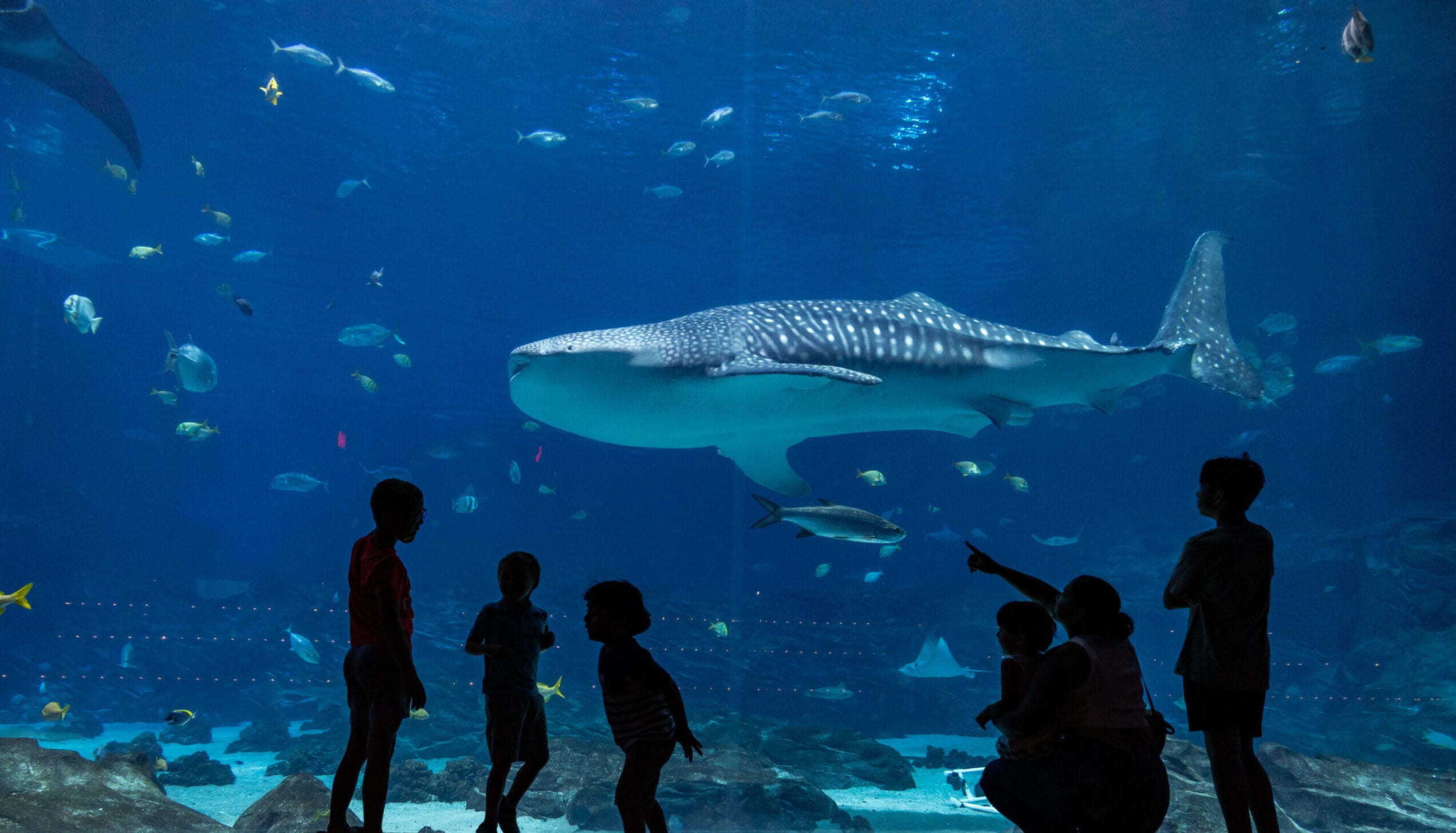

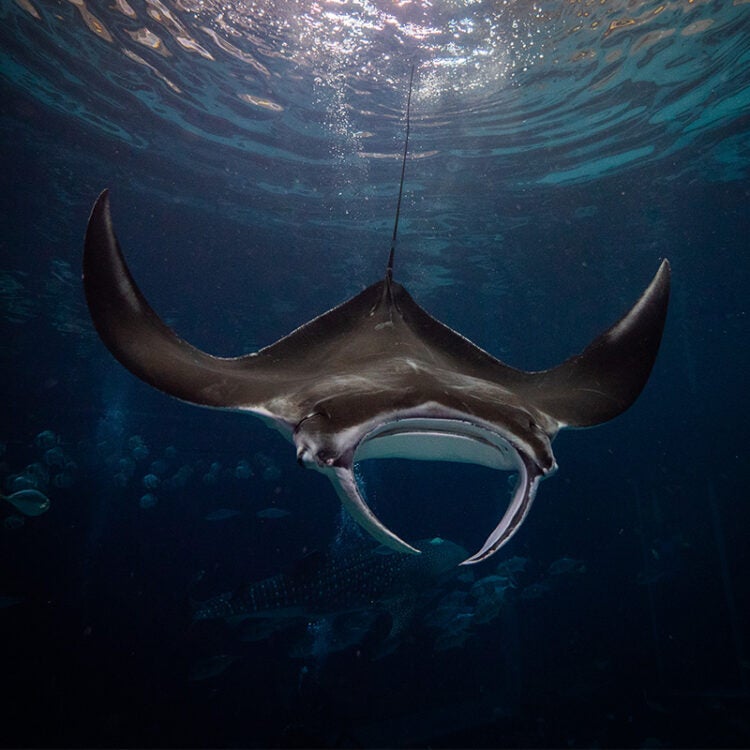
The Georgia Aquarium is the largest aquarium in the United States by volume and one of the most celebrated worldwide. It’s most famous for its Ocean Voyager exhibit, home to whale sharks, manta rays, hammerhead sharks, and thousands of school fish in a tank that holds over 6 million gallons.
Key Highlights:
-
Ocean Voyager underwater tunnel
-
Beluga whales habitat
-
Sea lion training presentations
-
Dolphin coast shows
-
Cold-water research replication zones
-
Coral research partnership programs
-
One of only a few institutions globally to house whale sharks ethically
Visitor Tips:
Book early access morning passes to avoid peak lines. Bring a wide aperture lens for the tunnel. Capture tunnel movement shots when the school fish swarm overhead.
2. Monterey Bay Aquarium
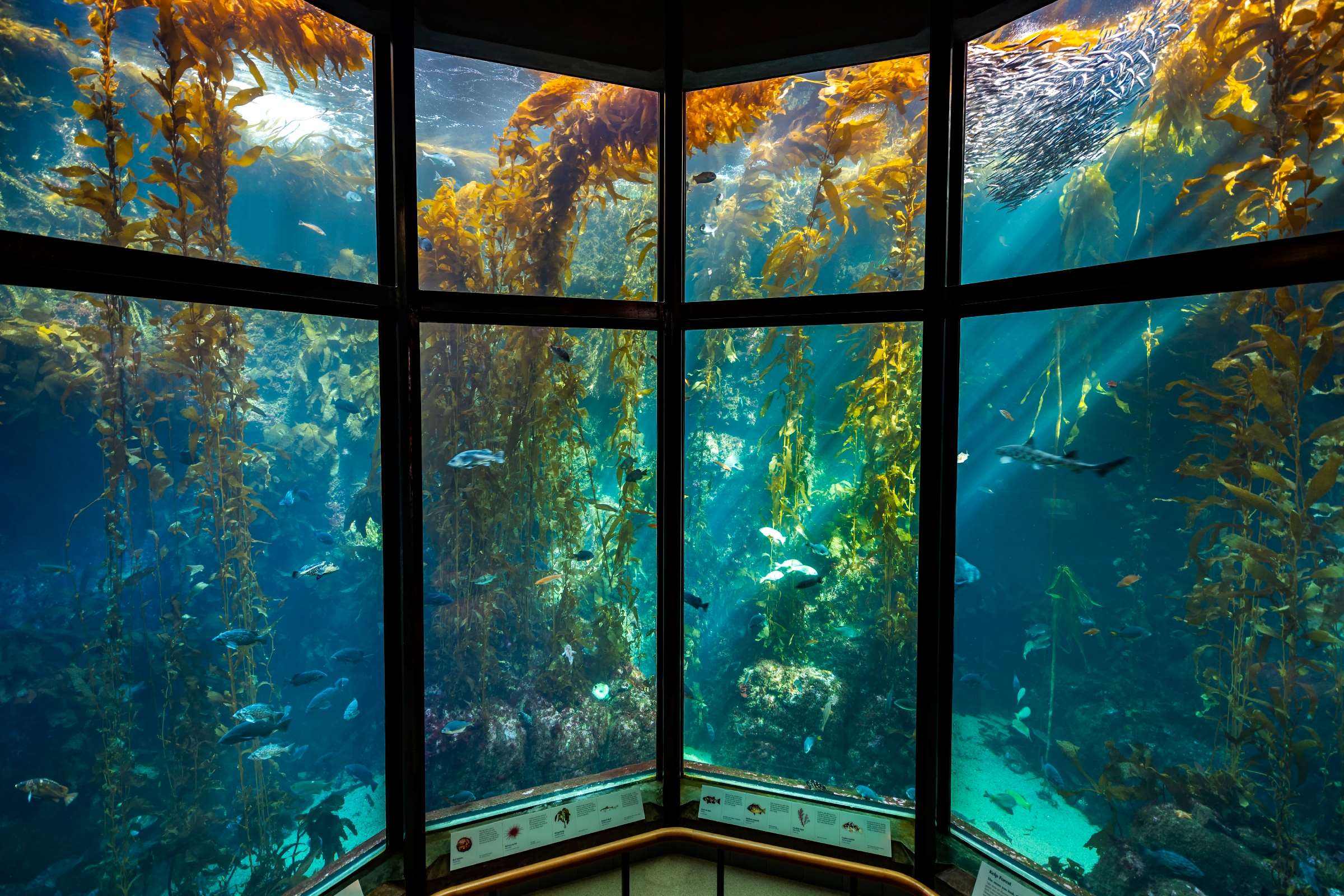
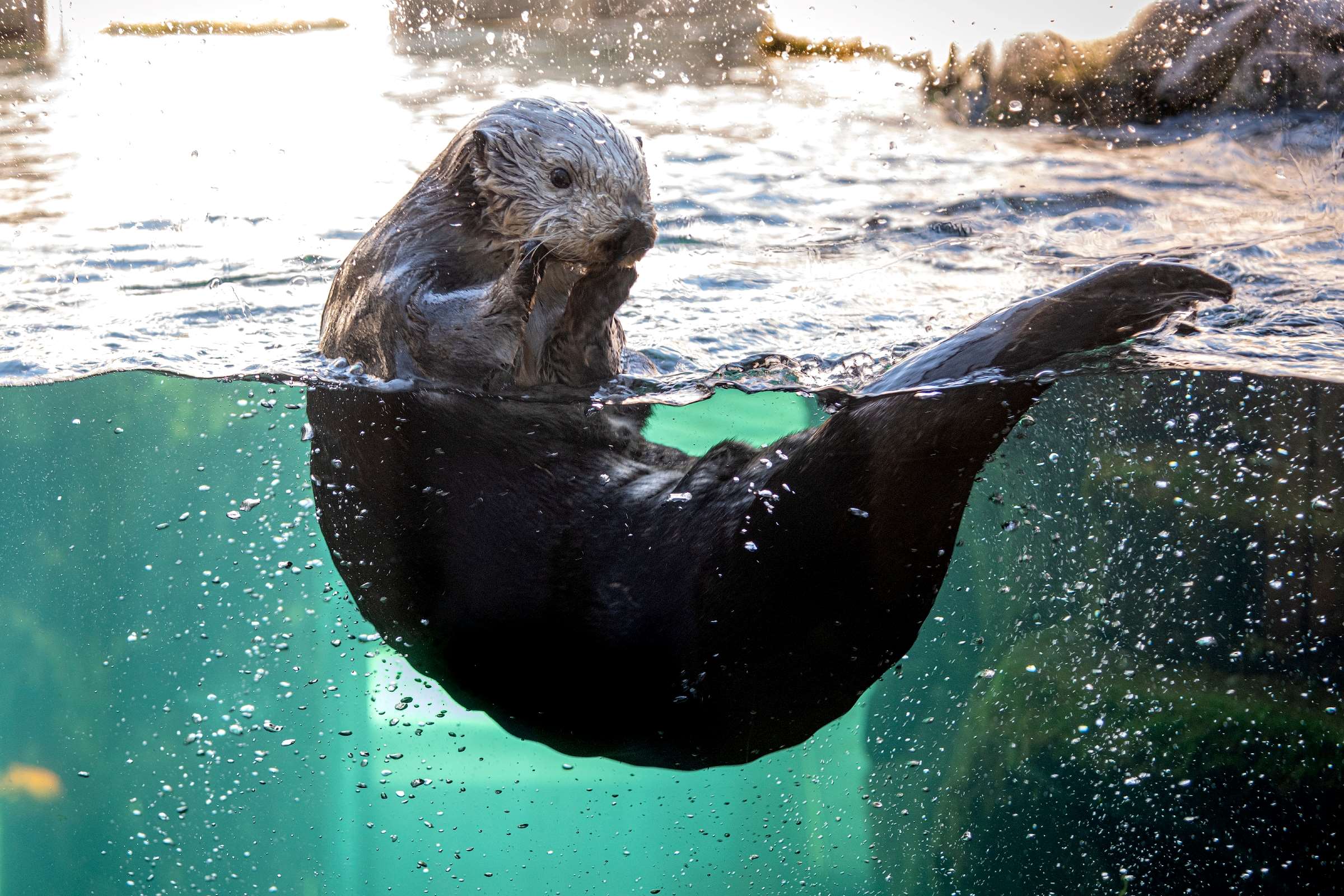

Overlooking the Pacific coastline, the Monterey Bay Aquarium is revered for its authenticity, ecological storytelling, coastal species rehabilitation, and its towering Kelp Forest Exhibit, the tallest aquarium exhibit in the world.
Key Highlights:
-
Kelp forest ecosystem
-
Sea Otter rescue and rehab
-
Jellies Gallery
-
Open sea exhibit for tuna, sharks, ocean sunfish
-
Conservation publications
-
Sustainable seafood education programs
-
Local ocean policy impact research projects
Visitor Tips:
Afternoon sun gives heavenly backlight through ocean-facing open windows. Great for photography. Touch pools are best with kids mid-morning when staff interact most actively.
3. National Aquarium
Key Highlights:
-
Shark Alley underwater tunnel
-
Rainforest + marine ecosystem hybrid tower
-
Endangered North Atlantic species preservation
-
Award-winning architectural habitat flow
-
Sustainable filtration and green energy use
-
Local Chesapeake Bay conservation labs
-
Amphibian discovery exhibits
Visitor Tips:
Visit in February during slower tourism season for private-feel walkthroughs.
4. Shedd Aquarium
Key Highlights:
-
Abbott Oceanarium marine mammal complex
-
Caribbean Reef centerpiece dome
-
Amazon Rising
-
Lake Michigan conservation projects
-
Educational marine biology fellowships
Visitor Tips:
Winter viewing from the Oceanarium windows offers snowy city-meets-ocean contrasts.
5. Oregon Coast Aquarium
Key Highlights:
-
Passages of the Deep shark tunnel
-
Native Pacific Northwest ecosystems
-
Seabird Aviary
-
Coastal wildlife rescue initiatives
Visitor Tips:
Ocean temperature exhibits are exceptionally authentic due to direct coastal access.
6. Tennessee Aquarium
Key Highlights:
-
River Journey & Ocean Journey towers
-
US freshwater-to-ocean showcase storytelling model
-
Stingray Bay at outdoor access
Visitor Tips:
Great for combined climate education + marine immersion.
7. Adventure Aquarium
Key Highlights:
-
Shark Bridge suspended over predator tank
-
Large hippo habitat, a rare aquarium inclusion
-
Interactive family education centers
Visitor Tips:
The Shark Bridge delivers adrenaline fun more than many amusement parks.
8. Audubon Aquarium of the Americas
Key Highlights:
-
Gulf of Mexico local sea ecosystem storytelling
-
Mississippi River fish ecosystems
-
Amazing nightlife events for adult guests
-
Sea turtle rescue hospital partner programs
Visitor Tips:
Night events are some of the best aquarium social experiences in the US.
9. Seattle Aquarium
Key Highlights:
-
Window on Washington Waters local marine ecosystem
-
Octopus intelligence research
-
Marine mammal rehabilitation
-
Coastal sustainability advocacy
-
Native starfish and sea anemone pools
Visitor Tips:
Visit in early summer for outdoor beach-feel museum touring.
10. Dallas World Aquarium
Key Highlights:
-
Rainforest + marine + land wildlife hybrid experience
-
Indoor jungle aviary
-
Rare conservation species catalog
Visitor Tips:
It is more like walking inside a living biosphere than a formal aquarium.
Honorable Mentions and Hidden Gems
Several aquariums aren’t always in first-page rankings but still qualify semantically under best aquariums in the US because of charm, regional importance, conservation roles, or rare species care:
-
Aquarium of the Pacific
-
Florida Aquarium
-
Alaska SeaLife Center
-
New England Aquarium
-
South Carolina Aquarium
The Most Sought-After Exhibit Experiences in US Aquariums
People searching best aquariums in the US almost always want one or more of these specific experiences:
Shark Tunnels
Undersea walkways where predators glide overhead create awe and ignite social media content.
Coral Ecosystem Labs
Visible ecosystem recovery programs with real science offer education and wonder together.
Marine Mammal Rescue Areas
Rehab manatees, rescued seals, dolphins, or sea turtles create emotional connection.
Penguin Ecosystems
Cold-habitat species deliver charm, especially during winter sightseeing.
Kids STEM Zones
Hands-on biology learning, microscopes, fish care samples, water labs spark imagination.
Jellyfish Galleries
Glowing species zones feel like walking through abstract art installations.
Regional Ecosystem Replication
Freshwater rivers, Gulf coast, Pacific Northwest waters, Alaskan ice zones feel authentic.
Photography Tips for Aquarium Visits in the United States
Aquarium photography is its own niche, and US aquariums deliver especially good lighting conditions when compared to many global institutions.
-
Use anti-glare hoods or polarizers near glass tanks
-
Increase ISO instead of flash to avoid animal stress
-
Track fish clusters instead of single subjects for story shots
-
Capture people silhouettes during tunnels for emotional scale
-
Take reflection shots in dark zones for artistic feeling
-
Shoot green-blue coral zones for color texture layers
-
Capture movement when fish schools shift direction
-
Take vertical tank shots for architectural impact
-
Use aquarium apps to learn species names for ALT tags
-
Shoot slow shutter only if the tank lighting supports it
Visitor Planning Guide by Seasons
Winter (December to February)
Smaller crowds, clearer photos, calmer animal behavior, less waiting.
Spring (March to May)
Ideal for school trips, clearer ecosystems after winter maintenance, STEM programming season.
Summer (June to August)
Peak tourism, best outdoor aquarium events, but busiest times. Book timed entry.
Fall (September to November)
Best season for local aquarium membership redemptions and photography without peak noise.
Family Experience Advice
Bring kids early in the day when animals are more active during feeding and enrichment hours. Touch pools deliver better engagement mid-morning when staff guide children more frequently.
Educational and Conservation Impact
Many US aquariums contribute to:
-
Ocean research journals
-
Coral reef recovery
-
Amphibian population protection
-
Marine mammal rescue
-
Sea turtle hospitals
-
Climate education
-
Sustainable ocean tourism advocacy
-
Coastal plastic awareness programs
-
Fish biodiversity monitoring
Aquariums are the bridge between curiosity and stewardship, and US facilities lead this trend strongly.
FAQ Schema Content: Root Canal Before and After Style Edition Adapted to Aquariums
Are aquariums ethical in the US?
Most of the leading facilities are AZA-accredited and follow strict welfare and conservation practices.
What is the biggest aquarium in the United States?
Georgia Aquarium holds the largest tank volume in the US.
Where can I see a kelp forest exhibit?
Monterey Bay Aquarium features the tallest kelp forest exhibit.
Do any US aquariums rescue animals?
Yes. Many operate marine rehabilitation and wildlife rescue programs.
What aquarium is best for shark fans?
Georgia Aquarium and Oregon Coast Aquarium offer some of the best shark tunnel experiences.
Are there freshwater aquarium exhibits?
Yes. Tennessee Aquarium and Dallas World Aquarium both feature freshwater ecosystems.
Which aquariums have outdoor exhibits?
Tennessee Aquarium, Florida Aquarium, Audubon Aquarium offer outdoor marine zones.
Which aquarium is best for families?
Adventure Aquarium, Shedd Aquarium, Florida Aquarium, Tennessee Aquarium support large kids STEM zones.
Do US aquariums offer night events?
Yes. Audubon Aquarium of the Americas is especially known for evening social programming.
Conclusion
The United States has redefined what an aquarium can be. These institutions are places of laughter, education, science, conservation, rescue, community, tourism wonder, curiosity, and environmental stewardship. When someone searches for the best aquariums in the US, they are stepping into an ecosystem of discovery built to inspire unforgettable moments.

