

Beacon Hill is a name that carries a sense of history, mystery, and charm. In the year 1928 Beacon Hill was not just a location but a living story of architecture, community, and change. This article explores what made 1928 such a notable year for Beacon Hill and why it still matters today. The year 1928 marked a time of growth and transformation, when Beacon Hill was shaping its identity and influencing the future of the area.
In 1928, Beacon Hill was known for its quiet streets, beautiful homes, and strong community spirit. The people living there were proud of their neighborhood, and many families had been there for generations. The area reflected a mix of old traditions and new developments. As cities grew and modern technology arrived, Beacon Hill became a place where the past and future met. This is what makes 1928 Beacon Hill a fascinating topic for anyone interested in history or local culture.
During this time, many changes were happening across the world. The 1920s was an era of excitement, innovation, and social change. This decade is often called the Roaring Twenties because of the lively music, fashion, and cultural movements. Beacon Hill was not isolated from these changes. The neighborhood saw new ideas and new ways of living. People were becoming more connected, and life was starting to become faster and more modern. Yet, Beacon Hill still kept its peaceful and classic charm.
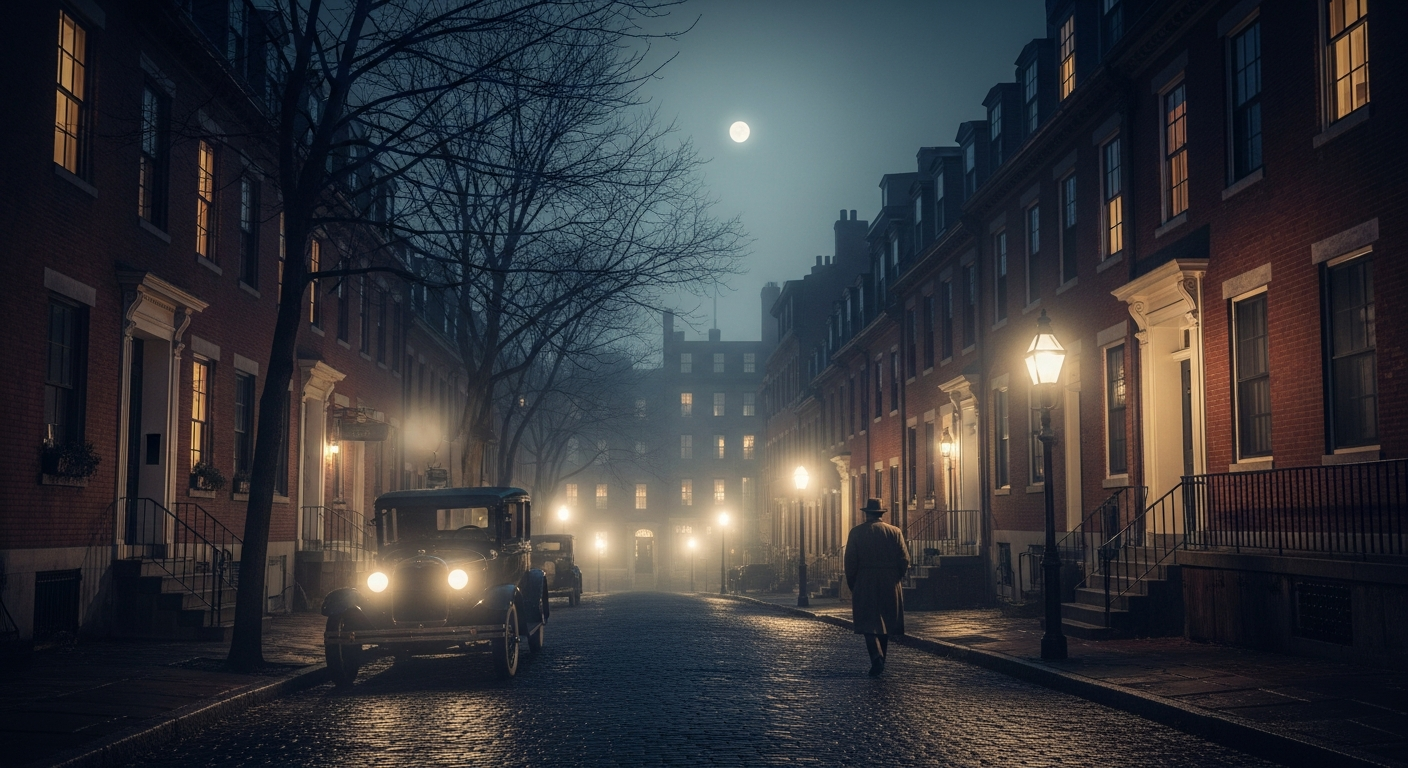
One of the most important parts of Beacon Hill in 1928 was its architecture. The houses and buildings in Beacon Hill were built with care and style. Many of the structures had classic designs that showed the skill of builders from earlier times. The streets were lined with trees, and the neighborhood had a calm and welcoming atmosphere. In 1928, these buildings were not just homes; they were symbols of history. They represented the traditions and values of the people who lived there. This is why Beacon Hill is still admired today.
Another major feature of Beacon Hill in 1928 was its strong community life. The people living there were connected by shared values and a sense of belonging. Families would gather for events, neighbors would support each other, and local businesses were part of everyday life. The community was close-knit and friendly. In many ways, Beacon Hill was a place where people still knew each other. This kind of community feeling is rare today, which is why 1928 Beacon Hill is remembered with warmth and respect.
In 1928, Beacon Hill was also influenced by national events. The United States was growing economically, and cities were expanding. Many people were moving to new areas in search of better opportunities. At the same time, the country was facing challenges such as social changes and political shifts. Beacon Hill was part of this larger story. It was a neighborhood that experienced both progress and challenges. This is what makes 1928 Beacon Hill a real example of American history during that time.
In the next sections, we will explore different aspects of Beacon Hill in 1928, including its culture, people, and important events. We will also look at how the neighborhood changed over time and why it remains a significant place today. Understanding 1928 Beacon Hill helps us appreciate the past and learn how history shapes our present.
The Architecture of Beacon Hill in 1928
The buildings of Beacon Hill in 1928 were known for their beauty and classic design. The architecture reflected a mix of old and new styles. Many homes were built with brick and stone, showing strong and lasting construction. The streets had a calm and peaceful look, with homes set back from the road and surrounded by gardens.
The design of homes in Beacon Hill was influenced by early American architecture. Many houses had colonial-style features such as symmetrical shapes, decorative doors, and classic windows. This style was popular because it reminded people of history and tradition. In 1928, these homes were not just living spaces; they were also works of art. The builders and designers wanted to create a beautiful neighborhood that would last for generations.
Another important architectural feature of Beacon Hill in 1928 was the use of public spaces. Parks, gardens, and small squares were part of the neighborhood’s design. These spaces were important for community life. People would walk, meet, and relax in these areas. The design showed that the neighborhood valued both beauty and community.
The buildings also reflected the economic status of the residents. Many people living in Beacon Hill were middle-class or wealthy, and their homes showed this. The houses were large and well-maintained, and they often had elegant details. This gave the neighborhood a special charm and prestige. Even today, the architecture of Beacon Hill remains a key reason why it is admired.
Life and Culture in Beacon Hill in 1928
Life in Beacon Hill in 1928 was calm and traditional, but also filled with community energy. The culture of the neighborhood was based on family values, local traditions, and strong relationships. People knew their neighbors, and social gatherings were common. Families often spent time together in parks or local community centers.
Beacon Hill was also influenced by the cultural changes of the 1920s. Music, fashion, and entertainment were changing quickly. Jazz music became popular, and people started to enjoy new types of dance and social events. Even though Beacon Hill was a peaceful neighborhood, it still felt the excitement of the times. People attended local events and participated in cultural activities that connected them to the broader world.
Education was important in Beacon Hill. Many families valued learning and supported local schools. Children were taught to respect traditions and also to think about the future. The neighborhood had a strong sense of responsibility and community support. This made Beacon Hill a place where people felt safe and supported.
The People of Beacon Hill in 1928
The people living in Beacon Hill in 1928 were diverse in their backgrounds and professions. Some were business owners, teachers, or workers in nearby cities. Others were families who had lived there for many years. The neighborhood was known for its stable and friendly population.
The residents were proud of their community and worked together to keep it clean and welcoming. Community events and local clubs were common. People would gather for meetings, celebrations, and charity events. This created a strong sense of unity and shared purpose.
Many families in Beacon Hill had traditions that were passed down through generations. This included holiday celebrations, family gatherings, and local customs. These traditions helped maintain the identity of the neighborhood. The people of Beacon Hill valued history and the sense of belonging that came with it.
Economic Growth and Development in 1928
The year 1928 was a time of economic growth in many parts of the United States. Beacon Hill was influenced by this growth, but it also remained a quiet neighborhood. The local economy was supported by small businesses, shops, and services that served the community.
Many residents worked in nearby cities and brought their income back to the neighborhood. This helped support local businesses and maintain a stable economy. The neighborhood was not known for large industrial development, but it was a strong and healthy community.
The economic growth of the time also brought new opportunities. People had more access to modern technology, such as cars and radios. This changed daily life and made it easier for people to connect with the world outside Beacon Hill. Even though the neighborhood remained traditional, it was also moving forward.
Education and Schools in Beacon Hill in 1928
Education was a key part of life in Beacon Hill in 1928. Schools were important centers for the community. Children attended local schools, and teachers were respected members of society. Education was seen as a way to improve life and create a better future.
The schools in Beacon Hill focused on basic learning such as reading, writing, and math. They also taught values such as respect, responsibility, and community involvement. The neighborhood supported its schools through fundraising and community participation. This helped create a strong educational environment.
In 1928, education was also changing. New teaching methods were introduced, and more children had access to schooling. Beacon Hill was part of this change, and the neighborhood valued learning as a path to success.
Transportation and Daily Life in 1928
Transportation in 1928 was becoming more modern. Cars were becoming common, and people could travel more easily. This changed the daily life of residents in Beacon Hill. People could travel to work, shopping, and entertainment more quickly than before.
However, many people still used walking or local transportation. The neighborhood was designed for walking, with safe streets and close distances. This helped maintain the peaceful and community-focused lifestyle. The combination of modern transportation and traditional walking made Beacon Hill a balanced and comfortable place to live.
Challenges Faced by Beacon Hill in 1928
Even though Beacon Hill was a beautiful and peaceful neighborhood, it also faced challenges. One of the major challenges was the changes happening in society. The world was becoming more modern, and this brought new pressures. Some people struggled to adapt to the fast pace of change.
Another challenge was economic uncertainty. Even though the 1920s were a time of growth, there were signs of economic trouble ahead. Many people did not know what the future would bring. This uncertainty affected communities like Beacon Hill, which depended on stable income and strong community support.
Despite these challenges, the residents of Beacon Hill continued to support each other. The community remained strong and resilient. This is one reason why the neighborhood is remembered as a symbol of stability and tradition.
The Legacy of 1928 Beacon Hill
The legacy of 1928 Beacon Hill is still visible today. The neighborhood’s architecture, culture, and community values continue to inspire people. Beacon Hill is a reminder of a time when communities were close-knit and life was slower and more meaningful.
The history of Beacon Hill shows how important it is to preserve tradition while adapting to change. The neighborhood is a symbol of balance between the past and the future. It teaches us that communities can grow and modernize without losing their identity.
Today, Beacon Hill is admired for its historic charm and strong community spirit. The story of 1928 is a part of this larger history. It reminds us of the values that shaped the neighborhood and the people who lived there.
Conclusion
In 1928, Beacon Hill was a place of beauty, tradition, and community. The neighborhood reflected the values of its residents and the changes of the era. It was a time of growth, culture, and resilience. The architecture, people, and lifestyle of Beacon Hill in 1928 created a legacy that still matters today. By studying this period, we can better understand the importance of community, history, and the way neighborhoods shape our lives. Beacon Hill remains a symbol of the past that continues to influence the present.
FAQs
What was Beacon Hill like in 1928?
Beacon Hill in 1928 was a peaceful neighborhood with beautiful homes and strong community life. The people were close-knit and proud of their history. The area combined tradition with the changes of the modern era.
Why is 1928 important for Beacon Hill?
1928 is important because it represents a time of growth and transformation. The neighborhood was developing while still keeping its historic charm. This year reflects how Beacon Hill balanced tradition with progress.
What kind of architecture was common in Beacon Hill in 1928?
The architecture was mostly classic and colonial-style. Homes were made with brick and stone, with symmetrical designs and decorative details. The buildings were designed to last and represent history.
How did people in Beacon Hill spend their daily life?
People in Beacon Hill focused on family, community events, and local traditions. They attended school, worked nearby, and enjoyed walking in the neighborhood. The community was friendly and supportive.
Did Beacon Hill face any challenges in 1928?
Yes, Beacon Hill faced challenges such as social change and economic uncertainty. The world was becoming more modern, and people had to adapt. Despite this, the community remained strong.
What is the legacy of Beacon Hill in 1928?
The legacy is the lasting beauty, tradition, and community spirit. Beacon Hill remains admired for its historic charm and strong community values. The story of 1928 helps us understand the importance of preserving history while embracing change.
Beacon Hill is a name that carries a sense of history, mystery, and charm. In the year 1928 Beacon Hill was not just a location but a living story of architecture, community, and change. This article explores what made 1928 such a notable year for Beacon Hill and why it still matters today. The year 1928 marked a time of growth and transformation, when Beacon Hill was shaping its identity and influencing the future of the area.
In 1928, Beacon Hill was known for its quiet streets, beautiful homes, and strong community spirit. The people living there were proud of their neighborhood, and many families had been there for generations. The area reflected a mix of old traditions and new developments. As cities grew and modern technology arrived, Beacon Hill became a place where the past and future met. This is what makes 1928 Beacon Hill a fascinating topic for anyone interested in history or local culture.
During this time, many changes were happening across the world. The 1920s was an era of excitement, innovation, and social change. This decade is often called the Roaring Twenties because of the lively music, fashion, and cultural movements. Beacon Hill was not isolated from these changes. The neighborhood saw new ideas and new ways of living. People were becoming more connected, and life was starting to become faster and more modern. Yet, Beacon Hill still kept its peaceful and classic charm.
One of the most important parts of Beacon Hill in 1928 was its architecture. The houses and buildings in Beacon Hill were built with care and style. Many of the structures had classic designs that showed the skill of builders from earlier times. The streets were lined with trees, and the neighborhood had a calm and welcoming atmosphere. In 1928, these buildings were not just homes; they were symbols of history. They represented the traditions and values of the people who lived there. This is why Beacon Hill is still admired today.
Another major feature of Beacon Hill in 1928 was its strong community life. The people living there were connected by shared values and a sense of belonging. Families would gather for events, neighbors would support each other, and local businesses were part of everyday life. The community was close-knit and friendly. In many ways, Beacon Hill was a place where people still knew each other. This kind of community feeling is rare today, which is why 1928 Beacon Hill is remembered with warmth and respect.
In 1928, Beacon Hill was also influenced by national events. The United States was growing economically, and cities were expanding. Many people were moving to new areas in search of better opportunities. At the same time, the country was facing challenges such as social changes and political shifts. Beacon Hill was part of this larger story. It was a neighborhood that experienced both progress and challenges. This is what makes 1928 Beacon Hill a real example of American history during that time.
In the next sections, we will explore different aspects of Beacon Hill in 1928, including its culture, people, and important events. We will also look at how the neighborhood changed over time and why it remains a significant place today. Understanding 1928 Beacon Hill helps us appreciate the past and learn how history shapes our present.
The Architecture of Beacon Hill in 1928
The buildings of Beacon Hill in 1928 were known for their beauty and classic design. The architecture reflected a mix of old and new styles. Many homes were built with brick and stone, showing strong and lasting construction. The streets had a calm and peaceful look, with homes set back from the road and surrounded by gardens.
The design of homes in Beacon Hill was influenced by early American architecture. Many houses had colonial-style features such as symmetrical shapes, decorative doors, and classic windows. This style was popular because it reminded people of history and tradition. In 1928, these homes were not just living spaces; they were also works of art. The builders and designers wanted to create a beautiful neighborhood that would last for generations.
Another important architectural feature of Beacon Hill in 1928 was the use of public spaces. Parks, gardens, and small squares were part of the neighborhood’s design. These spaces were important for community life. People would walk, meet, and relax in these areas. The design showed that the neighborhood valued both beauty and community.
The buildings also reflected the economic status of the residents. Many people living in Beacon Hill were middle-class or wealthy, and their homes showed this. The houses were large and well-maintained, and they often had elegant details. This gave the neighborhood a special charm and prestige. Even today, the architecture of Beacon Hill remains a key reason why it is admired.
Life and Culture in Beacon Hill in 1928
Life in Beacon Hill in 1928 was calm and traditional, but also filled with community energy. The culture of the neighborhood was based on family values, local traditions, and strong relationships. People knew their neighbors, and social gatherings were common. Families often spent time together in parks or local community centers.
Beacon Hill was also influenced by the cultural changes of the 1920s. Music, fashion, and entertainment were changing quickly. Jazz music became popular, and people started to enjoy new types of dance and social events. Even though Beacon Hill was a peaceful neighborhood, it still felt the excitement of the times. People attended local events and participated in cultural activities that connected them to the broader world.
Education was important in Beacon Hill. Many families valued learning and supported local schools. Children were taught to respect traditions and also to think about the future. The neighborhood had a strong sense of responsibility and community support. This made Beacon Hill a place where people felt safe and supported.
The People of Beacon Hill in 1928
The people living in Beacon Hill in 1928 were diverse in their backgrounds and professions. Some were business owners, teachers, or workers in nearby cities. Others were families who had lived there for many years. The neighborhood was known for its stable and friendly population.
The residents were proud of their community and worked together to keep it clean and welcoming. Community events and local clubs were common. People would gather for meetings, celebrations, and charity events. This created a strong sense of unity and shared purpose.
Many families in Beacon Hill had traditions that were passed down through generations. This included holiday celebrations, family gatherings, and local customs. These traditions helped maintain the identity of the neighborhood. The people of Beacon Hill valued history and the sense of belonging that came with it.
Economic Growth and Development in 1928
The year 1928 was a time of economic growth in many parts of the United States. Beacon Hill was influenced by this growth, but it also remained a quiet neighborhood. The local economy was supported by small businesses, shops, and services that served the community.
Many residents worked in nearby cities and brought their income back to the neighborhood. This helped support local businesses and maintain a stable economy. The neighborhood was not known for large industrial development, but it was a strong and healthy community.
The economic growth of the time also brought new opportunities. People had more access to modern technology, such as cars and radios. This changed daily life and made it easier for people to connect with the world outside Beacon Hill. Even though the neighborhood remained traditional, it was also moving forward.
Education and Schools in Beacon Hill in 1928
Education was a key part of life in Beacon Hill in 1928. Schools were important centers for the community. Children attended local schools, and teachers were respected members of society. Education was seen as a way to improve life and create a better future.
The schools in Beacon Hill focused on basic learning such as reading, writing, and math. They also taught values such as respect, responsibility, and community involvement. The neighborhood supported its schools through fundraising and community participation. This helped create a strong educational environment.
In 1928, education was also changing. New teaching methods were introduced, and more children had access to schooling. Beacon Hill was part of this change, and the neighborhood valued learning as a path to success.
Transportation and Daily Life in 1928
Transportation in 1928 was becoming more modern. Cars were becoming common, and people could travel more easily. This changed the daily life of residents in Beacon Hill. People could travel to work, shopping, and entertainment more quickly than before.
However, many people still used walking or local transportation. The neighborhood was designed for walking, with safe streets and close distances. This helped maintain the peaceful and community-focused lifestyle. The combination of modern transportation and traditional walking made Beacon Hill a balanced and comfortable place to live.
Challenges Faced by Beacon Hill in 1928
Even though Beacon Hill was a beautiful and peaceful neighborhood, it also faced challenges. One of the major challenges was the changes happening in society. The world was becoming more modern, and this brought new pressures. Some people struggled to adapt to the fast pace of change.
Another challenge was economic uncertainty. Even though the 1920s were a time of growth, there were signs of economic trouble ahead. Many people did not know what the future would bring. This uncertainty affected communities like Beacon Hill, which depended on stable income and strong community support.
Despite these challenges, the residents of Beacon Hill continued to support each other. The community remained strong and resilient. This is one reason why the neighborhood is remembered as a symbol of stability and tradition.
The Legacy of 1928 Beacon Hill
The legacy of 1928 Beacon Hill is still visible today. The neighborhood’s architecture, culture, and community values continue to inspire people. Beacon Hill is a reminder of a time when communities were close-knit and life was slower and more meaningful.
The history of Beacon Hill shows how important it is to preserve tradition while adapting to change. The neighborhood is a symbol of balance between the past and the future. It teaches us that communities can grow and modernize without losing their identity.
Today, Beacon Hill is admired for its historic charm and strong community spirit. The story of 1928 is a part of this larger history. It reminds us of the values that shaped the neighborhood and the people who lived there.
Conclusion
In 1928, Beacon Hill was a place of beauty, tradition, and community. The neighborhood reflected the values of its residents and the changes of the era. It was a time of growth, culture, and resilience. The architecture, people, and lifestyle of Beacon Hill in 1928 created a legacy that still matters today. By studying this period, we can better understand the importance of community, history, and the way neighborhoods shape our lives. Beacon Hill remains a symbol of the past that continues to influence the present.
FAQs
What was Beacon Hill like in 1928?
Beacon Hill in 1928 was a peaceful neighborhood with beautiful homes and strong community life. The people were close-knit and proud of their history. The area combined tradition with the changes of the modern era.
Why is 1928 important for Beacon Hill?
1928 is important because it represents a time of growth and transformation. The neighborhood was developing while still keeping its historic charm. This year reflects how Beacon Hill balanced tradition with progress.
What kind of architecture was common in Beacon Hill in 1928?
The architecture was mostly classic and colonial-style. Homes were made with brick and stone, with symmetrical designs and decorative details. The buildings were designed to last and represent history.
How did people in Beacon Hill spend their daily life?
People in Beacon Hill focused on family, community events, and local traditions. They attended school, worked nearby, and enjoyed walking in the neighborhood. The community was friendly and supportive.
Did Beacon Hill face any challenges in 1928?
Yes, Beacon Hill faced challenges such as social change and economic uncertainty. The world was becoming more modern, and people had to adapt. Despite this, the community remained strong.
What is the legacy of Beacon Hill in 1928?
The legacy is the lasting beauty, tradition, and community spirit. Beacon Hill remains admired for its historic charm and strong community values. The story of 1928 helps us understand the importance of preserving history while embracing change.

